Your home’s plumbing system works quietly behind the scenes every day until something goes wrong. Whether it’s a clogged kitchen sink, a leaking faucet, a running toilet, or a lack of hot water, plumbing issues can quickly become expensive if left untreated.
Homeowners throughout Auburn and Opelika, Alabama experience a variety of plumbing problems due to everyday wear, aging plumbing systems, seasonal weather changes, tree root intrusion, mineral buildup from hard water, and heavy household usage. While some issues may seem minor at first, they often develop into larger and more costly repairs without professional attention.
Understanding the most common plumbing problems can help you recognize early warning signs, protect your property, and know when it’s time to call an experienced plumber.
In this guide, we’ll cover the most common plumbing issues affecting homes in Auburn and Opelika, explain what causes them, discuss prevention strategies, and show when professional plumbing services are the safest and most cost-effective solution.
Why Plumbing Problems Are Common in Auburn & Opelika
CLike many communities throughout East Alabama, Auburn and Opelika feature a combination of newer developments and older neighborhoods. Homes built decades ago may have aging plumbing materials, while newer homes often experience issues related to heavy water usage and mineral deposits.
Several local factors contribute to plumbing issues:
- Seasonal temperature fluctuations
- Hard water mineral buildup
- Heavy rainfall
- Tree root growth
- Aging underground sewer lines
- Daily wear on plumbing fixtures
- High household water consumption
Ignoring these issues often leads to:
- Higher water bills
- Water damage
- Mold growth
- Foundation issues
- Sewer backups
- Emergency plumbing repairs
Routine plumbing inspections and preventive maintenance help homeowners identify small problems before they become emergencies.
1. Slow or Clogged Drains
One of the most common reasons homeowners call a plumber is because a sink, shower, bathtub, or floor drain has become slow or completely blocked.
Although many people try chemical drain cleaners first, these products often damage pipes over time while only temporarily addressing the blockage.
Common Signs of a Clogged Drain
Watch for these warning signs:
- Water drains slowly
- Standing water in sinks
- Gurgling noises
- Bad odors coming from drains
- Water backing up into tubs or showers
- Frequent clogs in the same drain
If multiple drains throughout your home begin clogging simultaneously, the issue may involve the main sewer line rather than an individual fixture.
What Causes Drain Clogs?
Several everyday materials contribute to drain blockages:
Kitchen Drains
Kitchen sinks often become clogged because of:
- Grease
- Cooking oil
- Coffee grounds
- Food scraps
- Soap residue
Over time, these materials harden inside pipes, reducing water flow.
Bathroom Drains
Bathroom plumbing frequently experiences blockages caused by:
- Hair
- Toothpaste buildup
- Soap scum
- Dental floss
- Personal hygiene products
Hair combines with soap residue to create stubborn clogs that become increasingly difficult to remove without professional equipment.
Outdoor Drain Lines
Outdoor drains can become blocked by:
- Tree roots
- Dirt
- Leaves
- Landscaping debris
- Pipe deterioration
Tree roots are especially problematic because they naturally seek moisture and can enter tiny pipe cracks, eventually causing severe blockages or complete pipe failure.
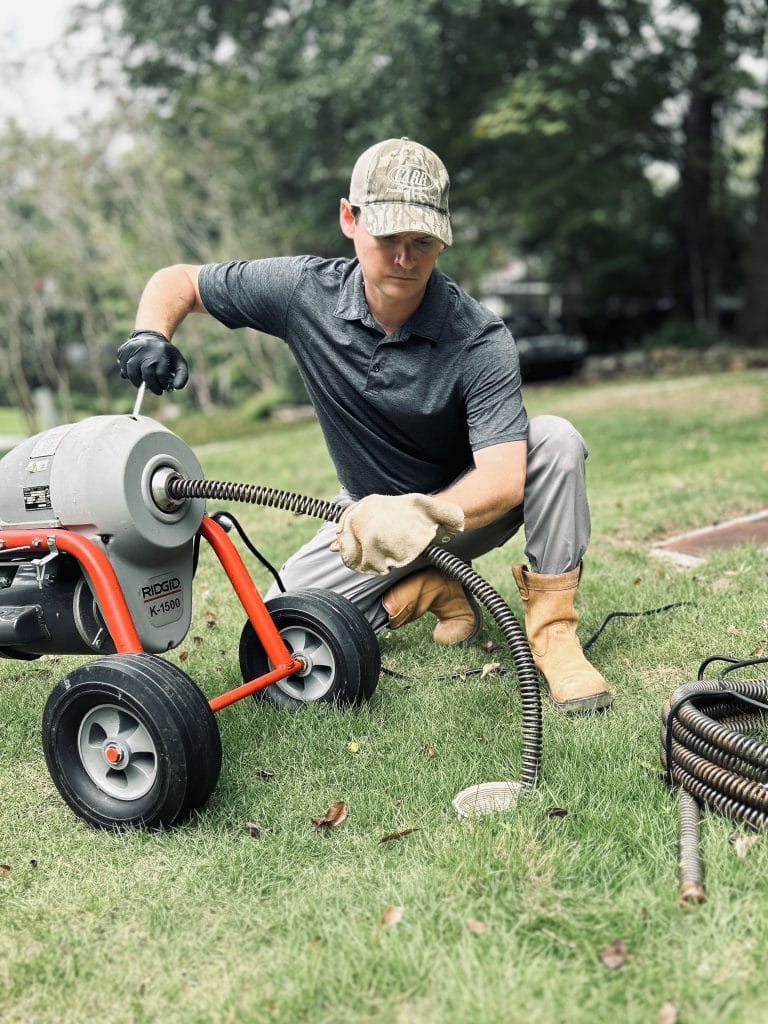
Why Professional Drain Cleaning Is Better Than DIY Methods
Many homeowners purchase chemical drain cleaners hoping for a quick fix. Unfortunately, repeated use can corrode pipes, damage plumbing joints, and shorten the lifespan of your plumbing system.
Professional drain cleaning uses specialized tools designed to remove the blockage without damaging the pipe itself.
Depending on the cause of the clog, professional plumbers may use:
- Drain augers
- Professional drain snakes
- Hydro jetting equipment (when appropriate)
- Video camera inspections
These methods completely clear the blockage instead of simply creating a small opening through it.
Prevention Tips
You can reduce the risk of clogged drains by:
- Never pouring grease down sinks
- Using drain strainers
- Cleaning drain covers regularly
- Avoiding flushing wipes or paper towels
- Scheduling periodic professional drain cleaning
If you notice recurring clogs, it may indicate a deeper plumbing issue requiring a professional inspection.
2. Leaking Faucets
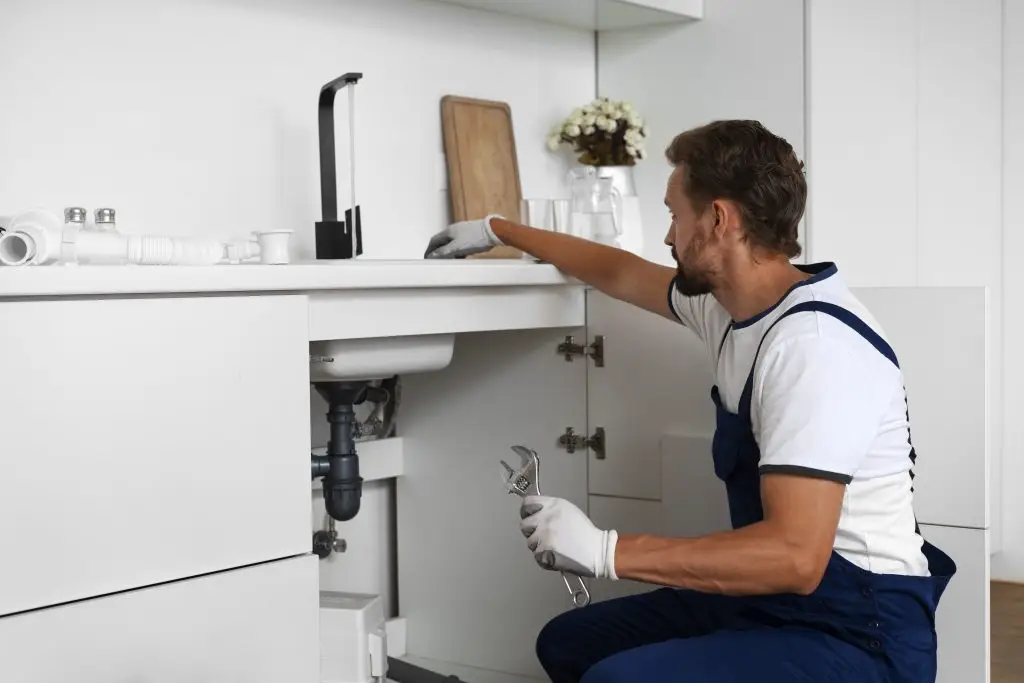
A dripping faucet may seem like a minor inconvenience, but it wastes a surprising amount of water over time.
Even one faucet dripping every few seconds can waste hundreds or even thousands of gallons of water each year, increasing utility bills while placing unnecessary stress on your plumbing system.
Common Causes of Faucet Leaks
Faucet leaks usually result from:
- Worn washers
- Damaged O-rings
- Corroded valve seats
- Loose components
- High water pressure
- Aging fixtures
Kitchen faucets often receive the most daily use, making them more susceptible to wear.
Bathroom faucets may also develop mineral buildup that affects seals and moving components.
Signs Your Faucet Needs Repair
Common warning signs include:
- Constant dripping
- Water around the faucet base
- Rust stains
- Reduced water pressure
- Unusual noises
- Difficulty turning handles
Ignoring these symptoms can eventually damage cabinets, countertops, and flooring.
Repair or Replace?
Many faucet problems can be repaired quickly by replacing worn internal components.
However, replacement may be more cost-effective if:
- The faucet is over 15 years old.
- Corrosion is severe.
- Replacement parts are no longer available.
- You want improved water efficiency.
- You’re remodeling your kitchen or bathroom.
Modern faucets often use significantly less water while improving functionality and appearance.
3. Running Toilets and Toilet Repairs
Toilets are among the most frequently used plumbing fixtures in every home, making them one of the most common sources of plumbing service calls.
Many homeowners ignore a running toilet because it still appears to function normally. However, a continuously running toilet can waste hundreds of gallons of water every day.
Common Toilet Problems
Some of the most common issues include:
- Constant running water
- Weak flushing
- Frequent clogs
- Leaks around the toilet base
- Loose toilets
- Phantom flushing
- Cracked tanks or bowls
These problems often start small but become more expensive if ignored.
Why Toilets Keep Running
A running toilet is usually caused by:
- Worn flapper valves
- Faulty fill valves
- Improper float adjustment
- Mineral buildup
- Damaged overflow tubes
Fortunately, early repairs are often inexpensive compared to the cost of wasted water and potential damage.
In the next section, we’ll explore one of the most overlooked yet costly plumbing problems homeowners face: damaged drain lines, hidden underground plumbing issues, and how sewer camera inspections can help identify problems before they become major repairs.
4. Drain Line Breakage: A Hidden Plumbing Problem That Can Lead to Major Repairs
Unlike a clogged sink or a dripping faucet, a broken drain line often goes unnoticed until it begins causing serious damage. Since drain lines are typically buried underground or hidden behind walls, homeowners may not realize there’s a problem until they experience recurring plumbing issues.
Drain line damage is one of the more expensive plumbing problems to repair, but identifying it early can help minimize repair costs and prevent property damage.
What Causes Drain Line Breakage?
Drain lines can fail for several reasons, including:
- Aging or deteriorating pipes
- Tree root intrusion
- Shifting soil
- Heavy vehicle traffic over buried pipes
- Corrosion
- Improper installation
- Ground movement after heavy rainfall
In Auburn and Opelika, mature trees and seasonal weather changes can contribute to underground pipe movement and root intrusion over time.
Signs Your Drain Line May Be Broken
Some warning signs include:
- Multiple drains clogging at the same time
- Sewage odors inside or outside your home
- Water backing up into tubs or showers
- Wet spots in the yard
- Unusually green patches of grass
- Slow drains throughout the house
- Foundation moisture problems
If you notice several of these symptoms together, it’s important to schedule a professional inspection as soon as possible.
Why Early Repairs Matter
Ignoring a damaged drain line can lead to:
- Sewage backups
- Water damage
- Mold growth
- Foundation issues
- Landscape damage
- Increased repair costs
Professional drain line repair restores proper drainage while protecting your home’s plumbing system from further damage.
5. Sewer Camera Inspections: Finding the Problem Without Guesswork
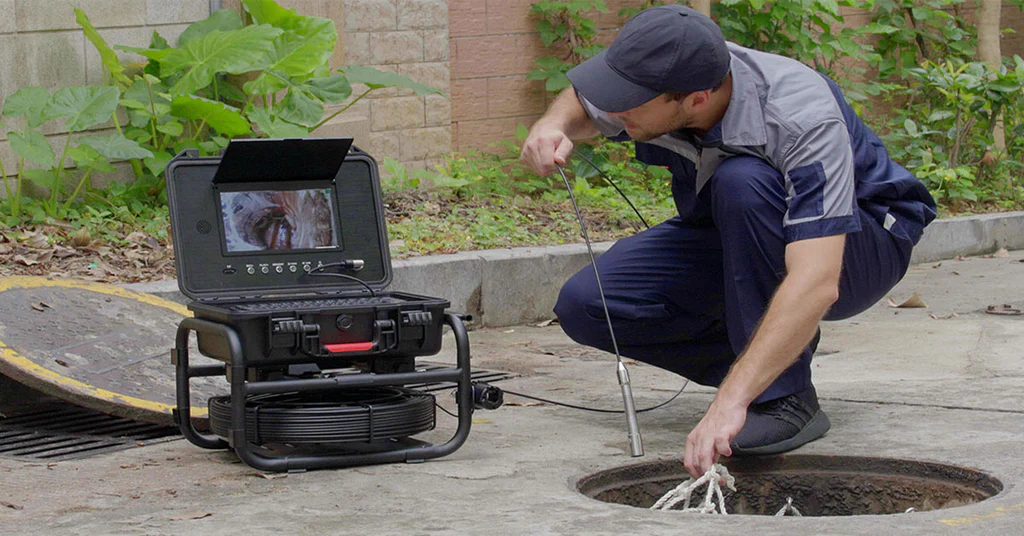
Years ago, plumbers often had to dig up sections of a yard just to locate the source of an underground plumbing issue. Today, sewer camera technology allows professionals to inspect drain lines with minimal disruption.
A waterproof, high-resolution camera is inserted into the drain line, providing a live view of the pipe’s condition.
What Can a Sewer Camera Inspection Detect?
Camera inspections can identify:
- Tree root intrusion
- Broken or cracked pipes
- Pipe separations
- Grease buildup
- Foreign objects
- Collapsed drain lines
- Corrosion
- Misaligned pipe sections
Instead of guessing, plumbers can pinpoint the exact location of the problem and recommend the most effective repair.
When Should You Schedule a Camera Inspection?
A sewer camera inspection is recommended if you experience:
- Frequent drain clogs
- Recurring sewer backups
- Slow drains throughout the home
- Foul odors
- Suspected underground leaks
- A home purchase requiring a plumbing inspection
Camera inspections save homeowners both time and money by avoiding unnecessary excavation and ensuring repairs are targeted to the correct location.
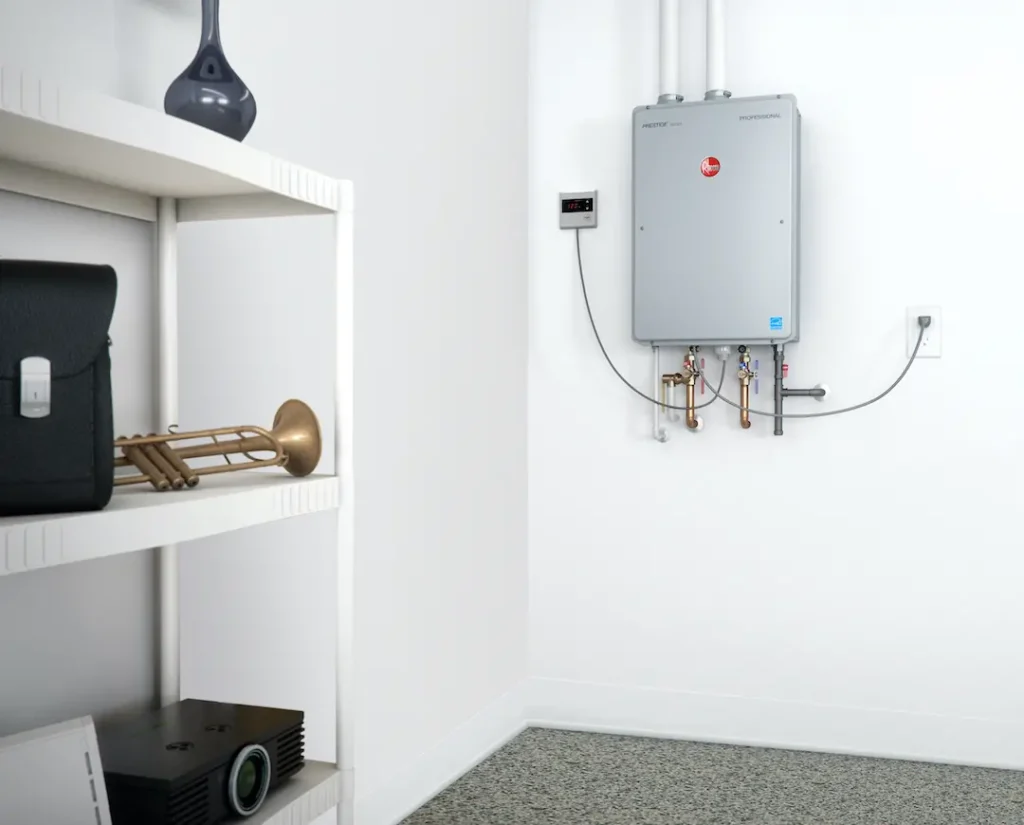
6. Tankless Water Heater Problems
Tankless water heaters have become increasingly popular because they provide hot water on demand while using less energy than traditional storage tanks. However, like any plumbing appliance, they require proper installation and regular maintenance to perform efficiently.
When neglected, a tankless water heater may produce inconsistent hot water or stop working altogether.
Common Tankless Water Heater Issues
Homeowners may experience:
- No hot water
- Fluctuating water temperatures
- Reduced water flow
- Mineral buildup
- Ignition failures
- Error codes
- Water leaks
- Unusual noises
Many of these issues can be prevented through routine maintenance.
Why Tankless Water Heaters Need Maintenance
Over time, minerals naturally found in water can accumulate inside the heat exchanger. This buildup reduces efficiency, increases energy consumption, and places additional strain on the system.
Professional maintenance typically includes:
- Flushing mineral deposits
- Inspecting water and gas connections
- Cleaning filters
- Checking system performance
- Testing safety components
Routine servicing helps extend the lifespan of your tankless water heater while maintaining consistent hot water throughout your home.
Should You Repair or Replace Your Tankless Water Heater?
A professional plumber can help determine whether repair or replacement is the better option based on:
- The age of the unit
- Repair history
- Overall efficiency
- Manufacturer recommendations
- Cost of repairs versus replacement
If your system is nearing the end of its expected lifespan or requires frequent repairs, upgrading to a newer model may provide greater energy savings and improved performance.
7. Low Water Pressure
Low water pressure can make everyday tasks such as showering, washing dishes, and doing laundry frustrating. While some cases are caused by municipal water supply issues, persistent low pressure often indicates a plumbing problem within the home.
Common Causes of Low Water Pressure
Possible causes include:
- Mineral buildup inside pipes
- Partially closed shut-off valves
- Hidden water leaks
- Corroded plumbing pipes
- Faulty pressure regulators
- Clogged faucet aerators
- Water heater issues
Because several different problems can produce similar symptoms, a professional diagnosis is often the quickest way to identify the root cause.
Signs You Should Call a Plumber
Consider scheduling a plumbing inspection if:
- Water pressure suddenly drops.
- Multiple fixtures lose pressure.
- Pressure varies throughout the day.
- Only hot water has low pressure.
- You hear unusual noises in your plumbing system.
Addressing low water pressure early can improve comfort, reduce water waste, and help prevent more extensive plumbing repairs.
8. Hidden Water Leaks
Not every plumbing leak is obvious. Some develop behind walls, beneath floors, or under concrete slabs, where they can remain undetected for weeks or even months.
Hidden leaks can quietly cause structural damage, increase utility bills, and create ideal conditions for mold growth.
Warning Signs of a Hidden Leak
Watch for:
- Unexpected increases in your water bill
- Damp drywall
- Peeling paint
- Water stains on ceilings
- Musty odors
- Warped flooring
- Mold or mildew growth
- The sound of running water when fixtures are off
Ignoring these warning signs can result in extensive repairs that are far more costly than fixing the leak itself.
Professional plumbers use specialized equipment to locate hidden leaks accurately without unnecessary demolition, helping homeowners resolve the issue quickly while minimizing damage.
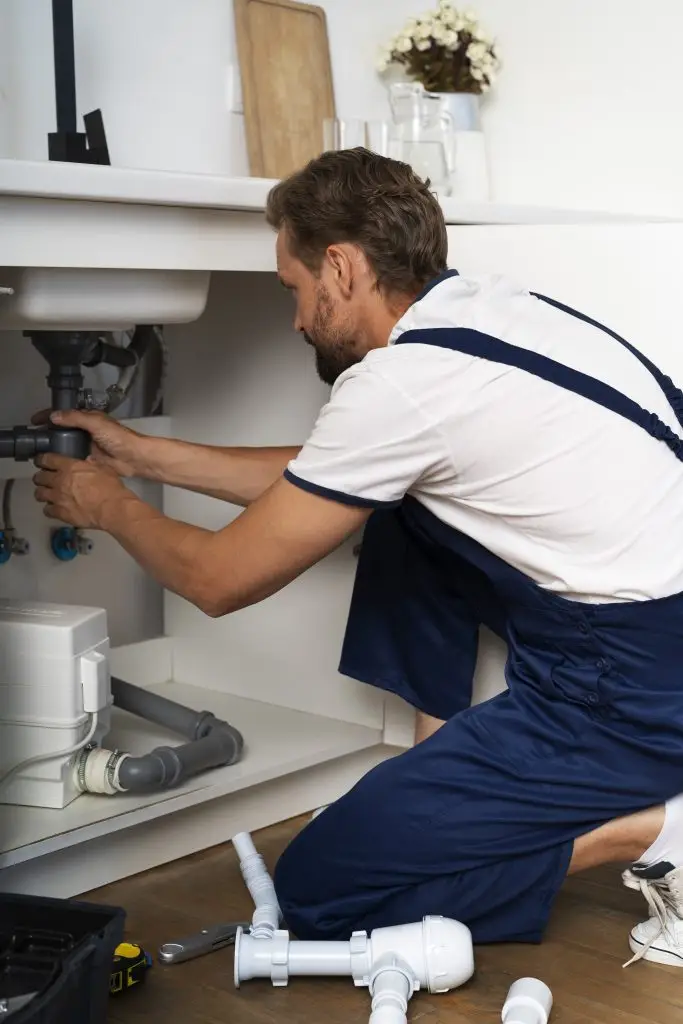
9. Sink Installation and Replacement
Your kitchen and bathroom sinks are some of the most frequently used fixtures in your home. Whether you’re remodeling your kitchen, updating a bathroom, or replacing a damaged sink, proper installation is essential to prevent leaks and ensure long-term performance.
While installing a sink may seem like a simple DIY project, even minor installation mistakes can lead to water damage, mold growth, cabinet deterioration, and recurring plumbing issues.
Signs It’s Time to Replace Your Sink
Many homeowners continue repairing an aging sink when replacement would be the more cost-effective solution.
Consider replacing your sink if you notice:
- Rust or corrosion
- Visible cracks or chips
- Persistent leaks
- Water damage beneath the sink
- Loose mounting hardware
- Outdated fixtures
- Poor drainage despite repeated repairs
A professionally installed sink not only improves functionality but also enhances the appearance and value of your home.
Choosing the Right Sink
The best sink depends on your household’s needs, available space, and design preferences.
Popular options include:
Kitchen Sinks
- Stainless steel sinks
- Farmhouse sinks
- Undermount sinks
- Top-mount sinks
- Composite granite sinks
Bathroom Sinks
- Pedestal sinks
- Vessel sinks
- Undermount sinks
- Drop-in sinks
- Wall-mounted sinks
Professional installation ensures proper drain alignment, secure connections, and leak-free performance.
10. Preventative Plumbing Maintenance
One of the easiest ways to avoid costly plumbing emergencies is through routine maintenance. Many plumbing problems begin as small issues that could have been corrected quickly if detected early.
Scheduling regular inspections allows homeowners to identify worn components before they fail.
Benefits of Preventative Maintenance
Routine plumbing maintenance can help:
- Reduce emergency repairs
- Extend the lifespan of plumbing fixtures
- Improve water efficiency
- Lower utility bills
- Prevent water damage
- Maintain consistent water pressure
- Improve water heater performance
Think of plumbing maintenance the same way you think about servicing your vehicle—regular care helps prevent expensive breakdowns.
Simple Plumbing Maintenance Tips
Homeowners can protect their plumbing system by following a few simple habits.
In the Kitchen
- Never pour grease or cooking oil down the drain.
- Scrape food into the trash before washing dishes.
- Use a sink strainer to catch debris.
- Run cold water when using the garbage disposal.
In the Bathroom
- Avoid flushing wipes, paper towels, or hygiene products.
- Remove hair from shower drains regularly.
- Check faucets for slow leaks.
- Listen for running toilets.
Around the Home
- Inspect exposed pipes for leaks.
- Know where your main water shut-off valve is located.
- Watch your monthly water bill for unexpected increases.
- Schedule routine plumbing inspections.
Small preventative measures today can save thousands of dollars in future repairs.
11. Seasonal Plumbing Tips for Auburn & Opelika Homeowners
Alabama’s climate brings unique plumbing challenges throughout the year. Heavy rain, high humidity, and occasional freezing temperatures can all affect your plumbing system.
Understanding seasonal maintenance helps reduce the risk of unexpected plumbing emergencies.
Spring
Spring often brings heavy rainfall, making it an ideal time to inspect your plumbing system.
Recommended tasks include:
- Check outdoor faucets for leaks.
- Inspect drainage around your home.
- Test sump pumps if applicable.
- Schedule drain cleaning if winter buildup occurred.
Summer
Summer typically means higher water usage due to:
- Lawn irrigation
- Family gatherings
- Increased laundry
- Outdoor activities
During summer:
- Inspect sprinkler systems.
- Check hose bibs.
- Monitor water pressure.
- Avoid overloading garbage disposals.
Fall
Before cooler weather arrives:
- Inspect your water heater.
- Clean outdoor drains.
- Check exposed plumbing.
- Prepare outdoor plumbing for colder temperatures.
Winter
Although severe freezes are less common in East Alabama than in northern states, cold snaps can still damage plumbing.
Protect your home by:
- Insulating exposed pipes.
- Disconnecting garden hoses.
- Allowing faucets to drip during freezing weather when appropriate.
- Keeping indoor temperatures consistent.
Seasonal maintenance helps reduce the likelihood of emergency plumbing repairs while extending the life of your plumbing system.
12. When Should You Call a Professional Plumber?
Many plumbing issues appear minor at first, but waiting too long to seek professional help often results in more extensive and expensive repairs.
If you notice any of the following, it’s time to schedule service:
- Repeated drain clogs
- Water stains on walls or ceilings
- Sewer odors
- No hot water
- Leaking pipes
- Running toilets
- Low water pressure
- Slow drains throughout the home
- Water backing up into fixtures
- Sudden increases in your water bill
Prompt attention helps prevent additional damage and restores your plumbing system more efficiently.
Why Homeowners in Auburn & Opelika Trust Professional Plumbing Services
Choosing an experienced plumbing company gives homeowners confidence that repairs are completed safely, efficiently, and in accordance with local plumbing codes. Professional plumbers have the training and equipment needed to diagnose problems accurately and recommend long-term solutions rather than temporary fixes.
Whether it’s clearing a stubborn drain, repairing a broken drain line, installing a new sink, servicing a tankless water heater, or resolving a hidden leak, professional service helps protect your home’s plumbing investment. For homeowners in Auburn and Opelika, working with a trusted local plumber means receiving prompt service, knowledgeable recommendations, and quality workmanship tailored to the needs of homes in East Alabama.
Frequently Asked Questions About Plumbing Problems in Auburn & Opelika, AL
1. What is the most common plumbing problem homeowners experience?
Clogged drains are one of the most common plumbing problems. Hair, grease, food particles, soap scum, and foreign objects gradually build up inside pipes, restricting water flow. Professional drain cleaning removes these blockages safely and helps prevent recurring issues.
2. How do I know if my drain line is broken?
Signs of a damaged drain line include:
- Multiple clogged drains
- Sewage odors
- Wet spots in the yard
- Slow drainage throughout the home
- Water backing up into tubs or sinks
- Unusually green patches of grass
A sewer camera inspection can accurately identify the location and cause of the problem.
3. Should I use chemical drain cleaners?
Chemical drain cleaners may provide a temporary fix, but repeated use can damage pipes, weaken plumbing joints, and shorten the life of your plumbing system. Professional drain clearing is typically a safer and more effective long-term solution.
4. How often should I have my drains professionally cleaned?
For most homes, scheduling professional drain cleaning every 12 to 24 months helps remove buildup before it becomes a serious blockage. Homes with older plumbing or heavy usage may benefit from more frequent maintenance.
5. Why is my faucet constantly dripping?
A dripping faucet is usually caused by worn washers, damaged cartridges, faulty seals, or mineral buildup. Although the leak may seem minor, it can waste a significant amount of water over time and increase your monthly utility bill.
6. Why does my toilet keep running?
A continuously running toilet is often caused by a worn flapper, faulty fill valve, improperly adjusted float, or mineral buildup inside the tank. Repairing the issue promptly can prevent unnecessary water waste.
7. Is a tankless water heater worth installing?
Yes. Tankless water heaters provide hot water on demand, use less energy than traditional storage tanks, take up less space, and generally have a longer service life when properly maintained.
8. How long do tankless water heaters last?
Most professionally installed tankless water heaters last between 15 and 20 years with regular maintenance and periodic flushing to remove mineral buildup.
9. What causes low water pressure?
Low water pressure may result from:
- Hidden leaks
- Mineral buildup
- Corroded pipes
- Faulty pressure regulators
- Partially closed shut-off valves
- Water heater issues
A licensed plumber can diagnose the underlying cause and recommend the appropriate repair.
10. When should I call a professional plumber?
You should contact a plumber if you notice:
- Repeated drain clogs
- Sewer odors
- Water leaks
- Low water pressure
- Running toilets
- No hot water
- Water stains on walls or ceilings
- Slow drains throughout the house
Addressing plumbing problems early often prevents more extensive and costly repairs.
Protect Your Home with Professional Plumbing Services
Your plumbing system plays an essential role in your home’s comfort, safety, and efficiency. While some issues begin as small inconveniences, they can quickly escalate into expensive repairs if ignored. From clogged drains and leaking faucets to damaged drain lines and tankless water heater problems, recognizing the warning signs early can save you time, money, and unnecessary stress.
Routine maintenance, timely repairs, and professional inspections help extend the life of your plumbing system while reducing the risk of emergencies. If you notice slow drains, water leaks, unusual noises, or inconsistent hot water, it’s always better to have the issue evaluated before it becomes a major problem.
Whether you need drain clog clearing, drain line repair, sewer camera inspections, tankless water heater installation, faucet repairs, sink installation, toilet repair, or complete plumbing services, working with an experienced local plumbing professional ensures the job is completed safely and efficiently.
Homeowners throughout Auburn, Opelika, and the surrounding Lee County communities can benefit from proactive plumbing care that protects their investment and keeps their plumbing system operating reliably year-round.
If you’re experiencing plumbing issues or want to schedule preventive maintenance, contact our team today. We’ll inspect your plumbing system, explain your options, and provide reliable solutions tailored to your home’s needs.